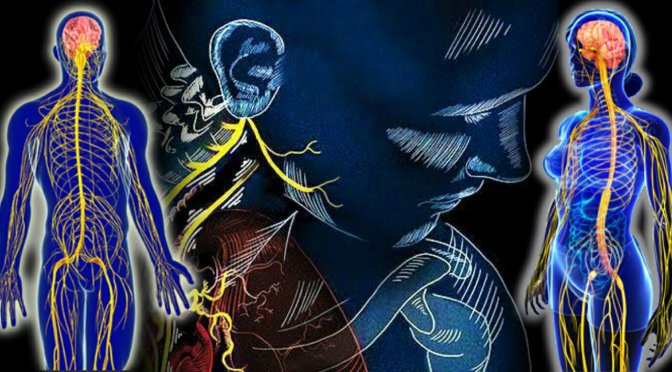
Posttraumatic stress disorder (PTSD) is an anxiety disorder that can develop after trauma and is characterized by experiencing intrusive memories, flashbacks, hypervigilance, nightmares, social avoidance, and social dysfunctions (144). It has a lifetime prevalence of 8.3% using the definition for DSM-5 (145). The symptoms of PTSD can be classified into four clusters: intrusion symptoms, avoidanceContinueContinue reading “Vagus-related Treatment of PTSD”
Author Archives: neurosoma
Brain training to start fresh

Have you ever heard of brain waves? What are the and how do they work in the body? Brainwaves, also known as neural oscillations, are rhythmic patterns of brain activity. In other words, brainwaves are electrical impulses in the brain. Understanding brainwaves can provide insights into brain function, cognition and behavior. They can be measuredContinueContinue reading “Brain training to start fresh”
Molecular changes in the brain revealed in PTSD & depression

A comprehensive approach that examines the intersection of multiple biological processes is necessary to elucidate the development of stress-related disorders. In a new study, investigators from McLean Hospital, a member of the Mass General Brigham healthcare system, working with colleagues at The University of Texas at Austin and Lieber Institute for Brain Development, uncovered both shared and distinctContinueContinue reading “Molecular changes in the brain revealed in PTSD & depression”
Is it healthy to step away from stress?

New research reveals that stepping away from a problem can be a powerful coping tool—if you do it right. We found that those caregivers who used distraction reported higher well-being and lower stress and depression. Interestingly, taking a break didn’t just help the caregivers, it also seemed to improve the time they spent with theContinueContinue reading “Is it healthy to step away from stress?”
Neurofeedback at home

While seeing a practitioner for neurofeedback and coaching is a supportive and wholistic approach, sometimes that’s not possible and because we want NeurOptimal® neurofeedback to be accessible to everyone who needs it, Neurosoma provides a home neurofeedback system rental service. A neurofeedback system in your home (or office) means you can have a session atContinueContinue reading “Neurofeedback at home”
Brain training for good health
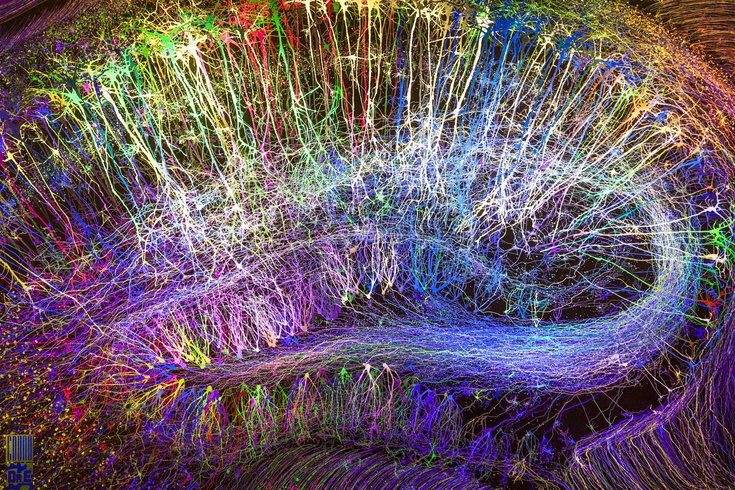
The brain is the most complex and intricate part of the human body, and yet many of us don’t recognize just how many functions it carries out on a daily basis. Inside your head, there are approximately sixty trillion neural connections (pathways between brain cells), and while the brain represents only 2–2.5% of the body mass, it consumesContinueContinue reading “Brain training for good health”
Use It Or Lose It: brain training & cognitive aging

Across a human life span, changes in cognition are expected to occur as individuals grow older. Most of the changes experienced in aging are related to a decline in fluid intelligence, defined as the capacity to solve problems and articulate ideas, to navigate new situations, and to acquire knowledge. On the other hand, crystallized intelligence,ContinueContinue reading “Use It Or Lose It: brain training & cognitive aging”
Body Image & Mental Health

Firstly, before we discuss how body image affects our mental health, we should define what body image is. Body image is the sum of how a person feels, thinks, behaves and views their body [1]. The way each person visualises and behaves towards their body is unique to everyone and manifests in a variety of ways.ContinueContinue reading “Body Image & Mental Health”
Emotional Regulation & Inflammation

Elevated inflammation is a risk factor for many psychiatric (e.g., depression) and somatic conditions (e.g., rheumatoid arthritis). Inflammation is influenced by psychosocial processes such as emotion regulation. Characterization of which emotion regulation characteristics impact inflammation could help refine psychosocial interventions aimed at normalizing health-harming inflammatory activity for individuals with psychiatric and somatic illnesses. We systematically reviewed theContinueContinue reading “Emotional Regulation & Inflammation”
Glimmers

Glimmers, in the context of mental well-being, are small, positive moments or experiences that trigger feelings of safety, joy, peace, or connection. They are essentially micro-moments of positivity that can counteract the effects of triggers, which are negative experiences that can induce stress or anxiety. Glimmers are personal and can vary greatly from person to person. OppositeContinueContinue reading “Glimmers”
 Oksana Pueschel