
Have you ever heard of brain waves? What are the and how do they work in the body? Brainwaves, also known as neural oscillations, are rhythmic patterns of brain activity. In other words, brainwaves are electrical impulses in the brain. Understanding brainwaves can provide insights into brain function, cognition and behavior. They can be measuredContinueContinue reading “Brain training to start fresh”
Category Archives: Anxiety
Is it healthy to step away from stress?

New research reveals that stepping away from a problem can be a powerful coping tool—if you do it right. We found that those caregivers who used distraction reported higher well-being and lower stress and depression. Interestingly, taking a break didn’t just help the caregivers, it also seemed to improve the time they spent with theContinueContinue reading “Is it healthy to step away from stress?”
Neurofeedback at home

While seeing a practitioner for neurofeedback and coaching is a supportive and wholistic approach, sometimes that’s not possible and because we want NeurOptimal® neurofeedback to be accessible to everyone who needs it, Neurosoma provides a home neurofeedback system rental service. A neurofeedback system in your home (or office) means you can have a session atContinueContinue reading “Neurofeedback at home”
Brain training for good health
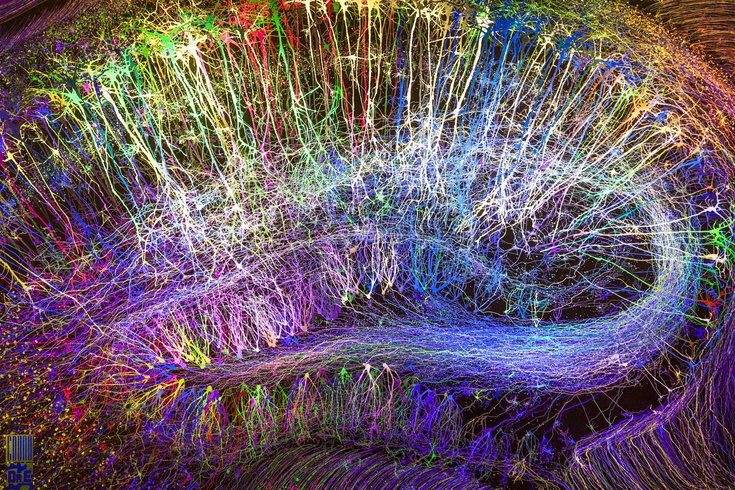
The brain is the most complex and intricate part of the human body, and yet many of us don’t recognize just how many functions it carries out on a daily basis. Inside your head, there are approximately sixty trillion neural connections (pathways between brain cells), and while the brain represents only 2–2.5% of the body mass, it consumesContinueContinue reading “Brain training for good health”
Body Image & Mental Health

Firstly, before we discuss how body image affects our mental health, we should define what body image is. Body image is the sum of how a person feels, thinks, behaves and views their body [1]. The way each person visualises and behaves towards their body is unique to everyone and manifests in a variety of ways.ContinueContinue reading “Body Image & Mental Health”
Emotional Regulation & Inflammation

Elevated inflammation is a risk factor for many psychiatric (e.g., depression) and somatic conditions (e.g., rheumatoid arthritis). Inflammation is influenced by psychosocial processes such as emotion regulation. Characterization of which emotion regulation characteristics impact inflammation could help refine psychosocial interventions aimed at normalizing health-harming inflammatory activity for individuals with psychiatric and somatic illnesses. We systematically reviewed theContinueContinue reading “Emotional Regulation & Inflammation”
Glimmers

Glimmers, in the context of mental well-being, are small, positive moments or experiences that trigger feelings of safety, joy, peace, or connection. They are essentially micro-moments of positivity that can counteract the effects of triggers, which are negative experiences that can induce stress or anxiety. Glimmers are personal and can vary greatly from person to person. OppositeContinueContinue reading “Glimmers”
Quality Sleep, Emotional Regulation & Mental Health Resilience

High-quality sleep and adaptive cognitive emotional regulation strategies can help to promote resilience to depression and anxiety when faced with negative or stressful experiences, according to new research published in the scientific journal Cortex. The researchers were interested in understanding why some individuals experiencing chronic stress develop mental health problems, while others do not. They believedContinueContinue reading “Quality Sleep, Emotional Regulation & Mental Health Resilience”
About Neurofeedback

Neurofeedback, also called EEG biofeedback or neurotherapy, makes use of neuroplasticity, the brain’s capacity for change, to reshape brain networks. It is a way to directly train the brain to function better. Neurofeedback is an evidence-based process which sharpens attention, relieves anxiety and stress, enhances mood and improves learning and behavior, without medication. Although theContinueContinue reading “About Neurofeedback”
The Body Holds the Healing

Embodiment is a capacity that supports a healthy relationship with our bodies. It emphasizes the importance of observing and noticing one’s internal felt sense. Embodied practices help increase the connections between exteroception (external sensations) and interoception (the internal felt sense). Restorative embodiment focuses on the senses as a resource to support and reinforce soothing, invigorating,ContinueContinue reading “The Body Holds the Healing”
 Oksana Pueschel