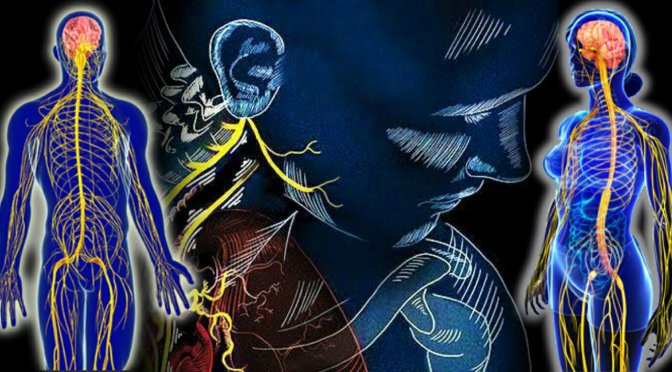
Posttraumatic stress disorder (PTSD) is an anxiety disorder that can develop after trauma and is characterized by experiencing intrusive memories, flashbacks, hypervigilance, nightmares, social avoidance, and social dysfunctions (144). It has a lifetime prevalence of 8.3% using the definition for DSM-5 (145). The symptoms of PTSD can be classified into four clusters: intrusion symptoms, avoidanceContinueContinue reading “Vagus-related Treatment of PTSD”
Category Archives: Anxiety Disorders
Brain training to start fresh

Have you ever heard of brain waves? What are the and how do they work in the body? Brainwaves, also known as neural oscillations, are rhythmic patterns of brain activity. In other words, brainwaves are electrical impulses in the brain. Understanding brainwaves can provide insights into brain function, cognition and behavior. They can be measuredContinueContinue reading “Brain training to start fresh”
Neurofeedback at home

While seeing a practitioner for neurofeedback and coaching is a supportive and wholistic approach, sometimes that’s not possible and because we want NeurOptimal® neurofeedback to be accessible to everyone who needs it, Neurosoma provides a home neurofeedback system rental service. A neurofeedback system in your home (or office) means you can have a session atContinueContinue reading “Neurofeedback at home”
Brain training for good health
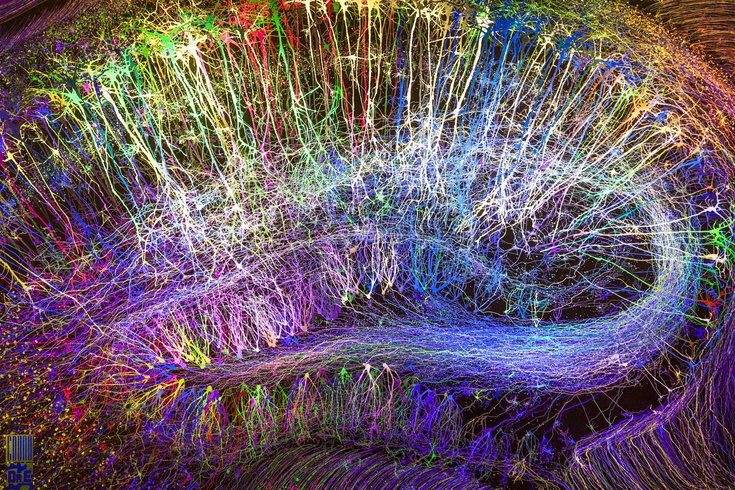
The brain is the most complex and intricate part of the human body, and yet many of us don’t recognize just how many functions it carries out on a daily basis. Inside your head, there are approximately sixty trillion neural connections (pathways between brain cells), and while the brain represents only 2–2.5% of the body mass, it consumesContinueContinue reading “Brain training for good health”
Body Image & Mental Health

Firstly, before we discuss how body image affects our mental health, we should define what body image is. Body image is the sum of how a person feels, thinks, behaves and views their body [1]. The way each person visualises and behaves towards their body is unique to everyone and manifests in a variety of ways.ContinueContinue reading “Body Image & Mental Health”
Emotional Regulation & Inflammation

Elevated inflammation is a risk factor for many psychiatric (e.g., depression) and somatic conditions (e.g., rheumatoid arthritis). Inflammation is influenced by psychosocial processes such as emotion regulation. Characterization of which emotion regulation characteristics impact inflammation could help refine psychosocial interventions aimed at normalizing health-harming inflammatory activity for individuals with psychiatric and somatic illnesses. We systematically reviewed theContinueContinue reading “Emotional Regulation & Inflammation”
Quality Sleep, Emotional Regulation & Mental Health Resilience
High-quality sleep and adaptive cognitive emotional regulation strategies can help to promote resilience to depression and anxiety when faced with negative or stressful experiences, according to new research published in the scientific journal Cortex. The researchers were interested in understanding why some individuals experiencing chronic stress develop mental health problems, while others do not. They believedContinueContinue reading “Quality Sleep, Emotional Regulation & Mental Health Resilience”
The Body Holds the Healing

Embodiment is a capacity that supports a healthy relationship with our bodies. It emphasizes the importance of observing and noticing one’s internal felt sense. Embodied practices help increase the connections between exteroception (external sensations) and interoception (the internal felt sense). Restorative embodiment focuses on the senses as a resource to support and reinforce soothing, invigorating,ContinueContinue reading “The Body Holds the Healing”
The Wisdom of Trauma

Every human has a true authentic self. Trauma is the disconnection from it and healing is the reconnection to it. Dr. Gabor Maté. Trauma is the invisible force that shapes our lives. It shapes the way we live, the way we love and the way we make sense of the world. It is the rootContinueContinue reading “The Wisdom of Trauma”
Managing Emotions & Aging

Negative emotions, anxiety and depression are thought to promote the onset of neurodegenerative diseases and dementia. But what is their impact on the brain and can their deleterious effects be limited? Neuroscientists at the University of Geneva (UNIGE) observed the activation of the brains of young and older adults when confronted with the psychological suffering of others.ContinueContinue reading “Managing Emotions & Aging”
 Oksana Pueschel