
Have you ever heard of brain waves? What are the and how do they work in the body? Brainwaves, also known as neural oscillations, are rhythmic patterns of brain activity. In other words, brainwaves are electrical impulses in the brain. Understanding brainwaves can provide insights into brain function, cognition and behavior. They can be measuredContinueContinue reading “Brain training to start fresh”
Category Archives: CPTSD
Molecular changes in the brain revealed in PTSD & depression

A comprehensive approach that examines the intersection of multiple biological processes is necessary to elucidate the development of stress-related disorders. In a new study, investigators from McLean Hospital, a member of the Mass General Brigham healthcare system, working with colleagues at The University of Texas at Austin and Lieber Institute for Brain Development, uncovered both shared and distinctContinueContinue reading “Molecular changes in the brain revealed in PTSD & depression”
Neurofeedback at home

While seeing a practitioner for neurofeedback and coaching is a supportive and wholistic approach, sometimes that’s not possible and because we want NeurOptimal® neurofeedback to be accessible to everyone who needs it, Neurosoma provides a home neurofeedback system rental service. A neurofeedback system in your home (or office) means you can have a session atContinueContinue reading “Neurofeedback at home”
Body Image & Mental Health

Firstly, before we discuss how body image affects our mental health, we should define what body image is. Body image is the sum of how a person feels, thinks, behaves and views their body [1]. The way each person visualises and behaves towards their body is unique to everyone and manifests in a variety of ways.ContinueContinue reading “Body Image & Mental Health”
Emotional Regulation & Inflammation

Elevated inflammation is a risk factor for many psychiatric (e.g., depression) and somatic conditions (e.g., rheumatoid arthritis). Inflammation is influenced by psychosocial processes such as emotion regulation. Characterization of which emotion regulation characteristics impact inflammation could help refine psychosocial interventions aimed at normalizing health-harming inflammatory activity for individuals with psychiatric and somatic illnesses. We systematically reviewed theContinueContinue reading “Emotional Regulation & Inflammation”
Glimmers

Glimmers, in the context of mental well-being, are small, positive moments or experiences that trigger feelings of safety, joy, peace, or connection. They are essentially micro-moments of positivity that can counteract the effects of triggers, which are negative experiences that can induce stress or anxiety. Glimmers are personal and can vary greatly from person to person. OppositeContinueContinue reading “Glimmers”
The Body Holds the Healing
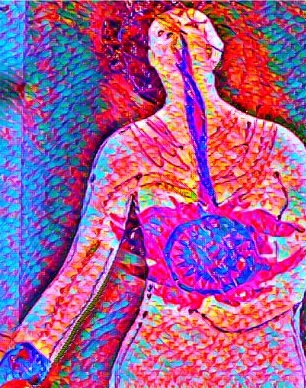
Embodiment is a capacity that supports a healthy relationship with our bodies. It emphasizes the importance of observing and noticing one’s internal felt sense. Embodied practices help increase the connections between exteroception (external sensations) and interoception (the internal felt sense). Restorative embodiment focuses on the senses as a resource to support and reinforce soothing, invigorating,ContinueContinue reading “The Body Holds the Healing”
The Wisdom of Trauma

Every human has a true authentic self. Trauma is the disconnection from it and healing is the reconnection to it. Dr. Gabor Maté. Trauma is the invisible force that shapes our lives. It shapes the way we live, the way we love and the way we make sense of the world. It is the rootContinueContinue reading “The Wisdom of Trauma”
Calming Dysregulation Fast: 10 tips

When you have Childhood PTSD, there’s nothing worse than being in some crucial conversation, or some big moment, and some little thing triggers you. And even though you know it’s not worth getting upset about, you get upset anyway. You can feel it spreading through your body — the feeling of adrenaline and discombobulation, feeling numb inContinueContinue reading “Calming Dysregulation Fast: 10 tips”
Anxiety

Anxiety is your body’s natural response to stress. It’s a feeling of fear or apprehension about what’s to come. The first day of school, going to a job interview, or giving a speech may cause most people to feel fearful and nervous. But if your feelings of anxiety are extreme, last for longer than sixContinueContinue reading “Anxiety”
 Oksana Pueschel