
Journeys are more than just travelling from “A” to “B.” They’re an adventure – exploring side-tracks along the way, stopping to look at the view, taking time to help someone who’s lost (or getting lost yourself!), walking into the depths of a forest, climbing a mountain, or maybe finding the perfect home-made relish in a local store…
Journeys are not a means-to-an-end but an end in themselves – the discovery of a rich landscape, of contrast and difference, of risk and reward, of encountering danger and negotiating its challenges, of navigating the unknown and the never-before seen… Journeys aren’t randomly engaged, though. There’s intent, a map, a guide and a facilitator – an organiser of visas or transport, an interpreter, a driver or an off-road vehicle, a tracker, an expert in the local places you want to visit… all the logistics of the travel.
The benefit of journeys, and journeying in general, is the richness gathered along the way, the growth from the new experiences and encounters, the resilience from being challenged in ways not previously tested and the feeling/knowledge that the world is bigger and holds more promise that you believed before.
Counselling Journeys are journeys that are travelled inside. They are internal adventures and, whether you start them by apparent choice, or because your current situation is so painful that you can’t bear it any longer, they present the same opportunities for healing, growth and liberation from your current circumstances. Counselling Jouneys provide different pathways so you can take your journey at your own pace – and there’s a facilitator and guide, a person who has gone before you and cut the path. The principal of Counselling Jouneys, Oksana Pueschel, doesn’t facilitate any process or pathway for you that she hasn’t experienced herself. She’s your Sherpa on Mount Everest, your light in the forest and your midwife for the birth.
Here are some of the pathways you can choose to enter your Counselling Journey with Oksana. Alternatively, you can discuss your goals with her and she will prepare a roadmap – a program especially for your needs.
_________________________________________________________________________
Couples Counselling
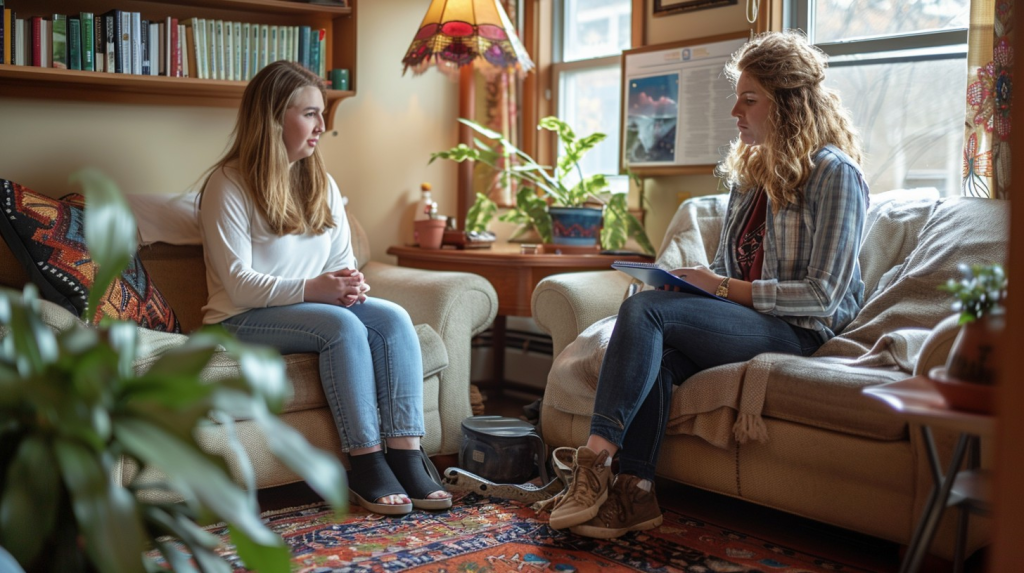
Couples counseling, also known as marriage counseling, is a type of psychotherapy that helps partners in a relationship improve their communication, strengthen their relationship and resolve conflicts.
During couples counseling, a therapist can help partners rebuild emotional intimacy and trust, learn to express their thoughts and feelings in a safe and accepting environment, learn to understand each other’s point of view, identify any negative patters of interaction and learn strategies to change them. Couples counselling can also help partners to heal past wounds, work together to resolve tensions and develop strategies for conflict resolution. Couples counselling can create the groundwork for the ongoing functioning of the relationship and to support the individual growth of the partners.

Themed Workshops
Themed workshops are a form of group therapy over a period of one or two days, based around a particular mental health or wellness theme such as exploring the inner child, stress management, conflict resolution, mindfulness, parenting, developing boundaries in relationships, or finding purpose and meaning in everyday life. The groups are usually limited to approximately 20 people and workshops are held in person or online.
Themed workshops allow a “deep dive” into a particular mental health or wellness issue, or learned skill or technique, especially where practise of the new technique is needed. Practise usually takes place in smaller groups of 2 or 3 so everyone has an opportunity to practise and receive feedback from the smaller group. Sometimes experiences in the smaller groups requiring special focus are discussed in the broader group and the workshop facilitator may provide extra information on that topic.
NDIS Psychosocial Recovery Coaching
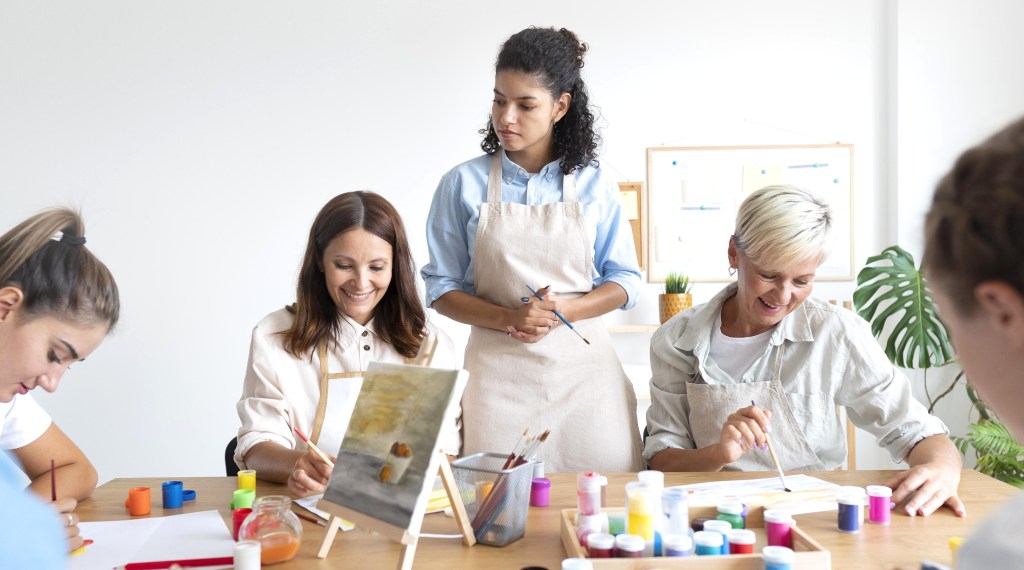
Psychosocial Recovery Coaches combine the principles of person-centred care and recovery-orientated practice with coaching to assist NDIS Participants to take more control of their lives, identify and meet their goals and better manage the complex challenges of day-to-day living with a psychosocial disability.
Recovery Coaches are qualified mental health practitioners who also have ‘lived experience’ of mental health conditions, either by caring for a person with a psychosocial disability or by managing their own mental health condition. Sometimes, where appropriate and based on the goals in their NDIS Plan, Psychosocial Recovery Coaching may include neurofeedback or brain training which can assist the Participant manage their symptoms, often a major barrier to achieving goals and recovery.
.
Individual Counselling
Individual counseling is a one-on-one discussion between a client and a trained mental health professional in a safe, confidential environment. It’s also known as psychotherapy or “talk therapy”.
Individual counseling can help with a variety of personal issues including: anger, depression, anxiety, substance abuse, relationship challenges, parenting problems, school difficulties and career changes. It can also help clients explore their feelings, beliefs, and behaviors or process challenging memories. The benefits of counselling therapy include improved mental health, ehanced self-esteem and better resilience, coping strategies and stress management.
Group Therapy
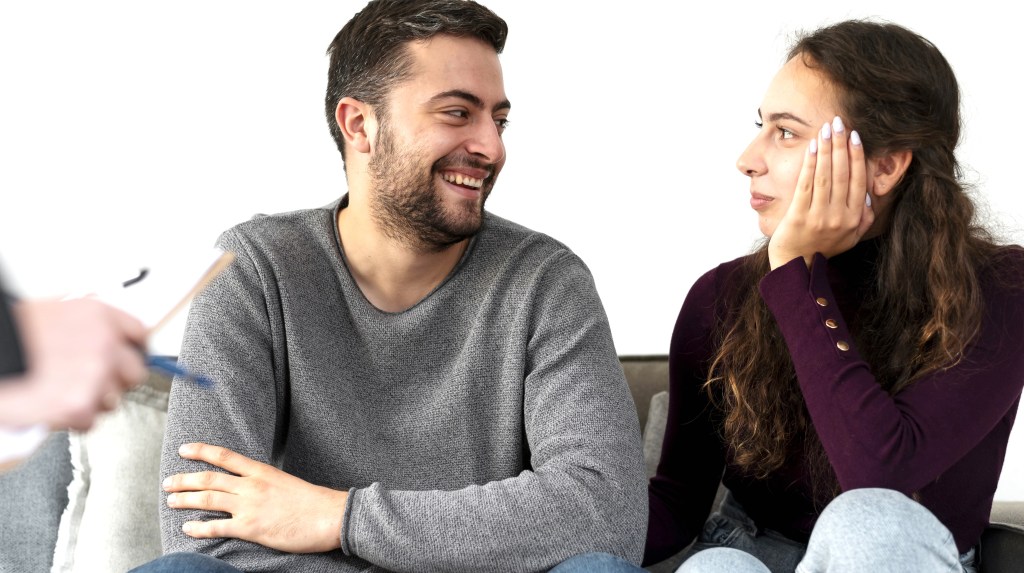
Group counseling or therapy is a type of psychotherapy where a small group of people meet with a therapist to discuss their concerns and learn from each other. Groups can be open or closed. Open groups allow new members to join at any time, while closed groups have a set start and end date. Some groups start as open groups but the group members may decide to close it if trust has built to the point where members are experiencing deep issues arising in their inner work. It may be difficult to accommodate new members’ needs in these circumstances.
Group therapy can help people learn to relate to others, reduce isolation and stigma and gain confidence. as well as develop more constructive coping mechanisms and change attitudes, behaviors and habits. Groups typically have 5–15 members.

Transpersonal Arts Therapies & Workshops
Transpersonal Arts Therapy and workshops include a variety of experiential activities using different art forms designed to increase self-awareness and explore aspects the self which are beyond the personal sphere of life – aspects such as a sense of meaning and greater purpose, spiritual, social or religious beliefs, attitudes towards death and dying, matters of the Soul or alignment with the natural order of things.
Transpersonal Arts Therapies encourage a gentle expression of these unexplored aspects without the need to talk about stressful issues or recreating traumatic experiences and the results are often wonderfully surprising! Oksana specialises in a particular form of art therapy called SoulCollage®
.
NeurOptimal® Neurofeedback
NeurOptimal® neurofeedback was developed by Clinical Psychologists Dr Valdeane Brown and Dr Susan Brown, founders of Zengar Institute in Canada.
Our brains have an inherent ability to self-correct and learn. Inconsistency, or abrupt changes in electrical activity in the brain undermines, or dysregulates optimal brain functioning. NeurOptimal®detects and feeds back these abrupt changes allowing the brain to recognise the dysregulation and self-correct. This self-correction happens over and over until it becomes the new “normal.” Clients report that they sleep better, are less stressed, more resilient, can focus more easily and feel the joy of an easier life despite any challenges faced from the outside world.
 Oksana Pueschel